
MAD (Mandibular Advancement Device)
A clinical alternative to CPAP
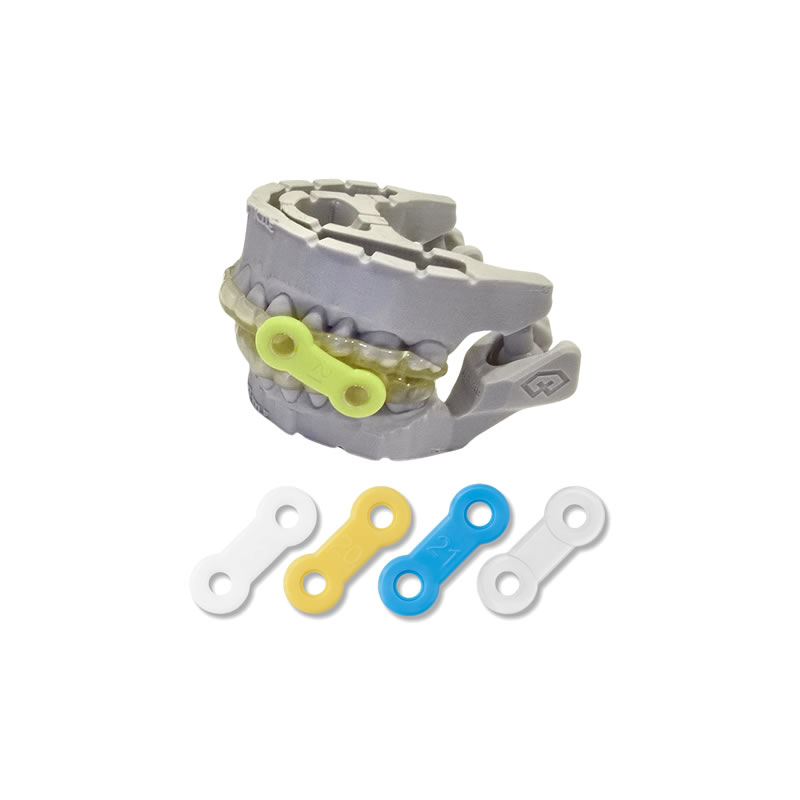
3D printed workflow provides accurate, efficient production, treatment consistency and digital record retention.
Better fit, less visits, happier patient
Digital MAD Workflow for Dentists
Whether you’re new to digital mandibular advancement device (MAD) cases, or you’re already doing them and want fewer headaches, we can help tighten up your workflow.
The goal is to make the process easier, cleaner, and more predictable for your practice. We help dentists implement and move sleep cases through a fully digital process from diagnosis to delivery. That means better, easier to store records, more design control, more efficiency, consistent results and a happier patient at the end.
A sleep device is not just a printed part. It is a combination of good intraoral scans, the right jaw relationship, and a design that respects patient function as much as fit. That is why quality and attention to detail matter — not just in the final device, but in the whole workflow from scan to delivery. Better input, better design, better output, better patient outcome.
The Process
Data Capture and Diagnosis
The process starts with a sleep study to determine if the patient’s condition is appropriate for MAD treatment. Once the case is accepted, the next priority is getting the records right, so the design starts with a solid foundation. An intraoral scan and bite record is a cleaner, more accurate starting point and makes the case easier to review, send, and store. The bite matters just as much as the scan. If the jaw relationship is off at the start, the rest of the case gets harder to manage. We use sophisticated bite analysis software to create a 3D replica of jaw motion, envelope of function, and condyles to create patient specific models and MAD appliance leading to little or no occlusal adjustment at delivery.
Set the jaw relationship
This is where a lot of sleep cases go right or go sideways.
The starting mandibular position, the amount of advancement, and the vertical opening all affect fit, comfort, retention, and titration. The bite analysis software also allows us to open the vertical properly based on their specific arc of closure. This will minimize any occlusal adjustments and for each patient keep titrated positions on the arc of closure, so no adjustment is needed beyond changing bands in the future.
A good digital workflow gives you better control over these details before the device is ever made.
Design the MAD
Once the data analysis is complete and aligned, the design becomes a consistent repeatable process to create a patient specific appliance with
- A stable fit and good retention
- Correct jaw position and occlusal function based on AI driven functional bite analysis to determine the envelope of function
- Appropriate vertical opening based on the patient’s specific arc of closure
- Room for predictable advancement with minimal adjustment
This is where digital design makes a difference. You can build the case with more control and precision instead of hoping everything works itself out at delivery and adjustment visits.
Produce and deliver
After design, the device moves into digital production and 3D printing. These production methods are extremely accurate and undergo continuous rigorous testing to maintain high standards of production quality. Our production process is mostly automated including polishing allowing us to consistently provide an exceptional appliance that delivers superior fit, form, and function for your patients.
That makes delivery smooth, follow-up appointments are predictable and long-term case management is much easier. Follow up visits can be scheduled for 1-3 weeks apart to discuss sleep patterns and need for further advancement until the patient reports they are comfortable. A subsequent sleep study can be ordered to verify the results. If a replacement or a spare is needed later, the files are stored digitally and can be manufactured again quickly.