
Partial Dentures
Superior Results
Higher Margins
A highly profitable part of restorative dentistry that is often overlooked. By implementing a digital workflow these cases can be done in fewer visits with more predictable, consistent, functional, and esthetic results for your patients.
Your Patient Will Look & Feel Better - You'll Improve Your Bottom Line
Superior Fit and Finish
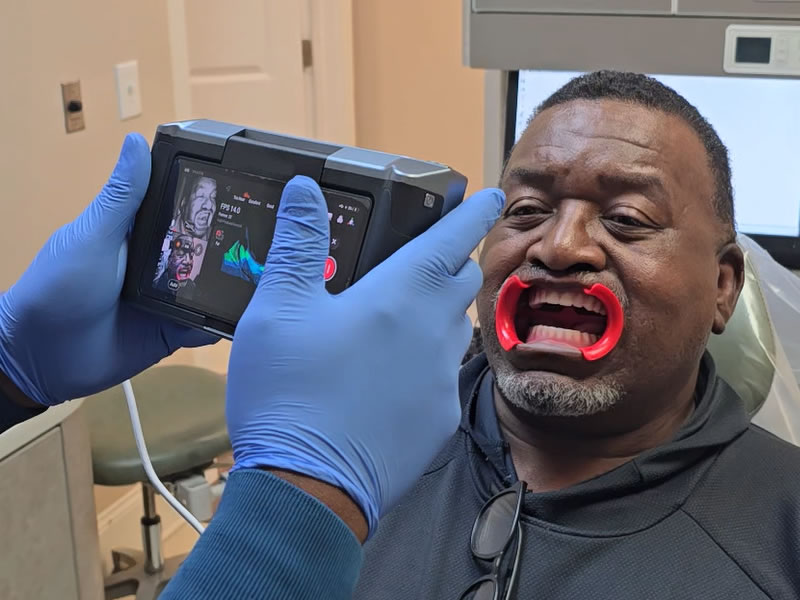
Intraoral scans are highly accurate tools to capture the information necessary to fabricate a partial denture properly and eliminate many of the traditional pitfalls of using traditional impressions to communicate with the lab. In combination with face scans or 2d images, intraoral scans give the technician more useful data in a shorter amount of time than in the traditional workflow allowing us to streamline the process considerably making it more comfortable in less visits for your patients.
There are several material choices that have their own unique benefits. However, these benefits apply to all the materials we offer.
- High profit margin. Many cases can be completed in 2 visits.
- Consistent quality of fit and finish.
- Extremely accurate and well-fitting due to the fully digital manufacturing and polishing process.
- Teeth customized for each patient and 3D printed in full color allowing you to deliver superior functional and esthetic results to your patients.
- Very few, if any, adjustments after insert.
No more investing and casting drastically limits the chance for problems with the fit, eliminating the problems that come with casting, grinding and finishing.
Precision. Performance. Profitability.
Digital Partial Denture Prosthetics by 3DDDS
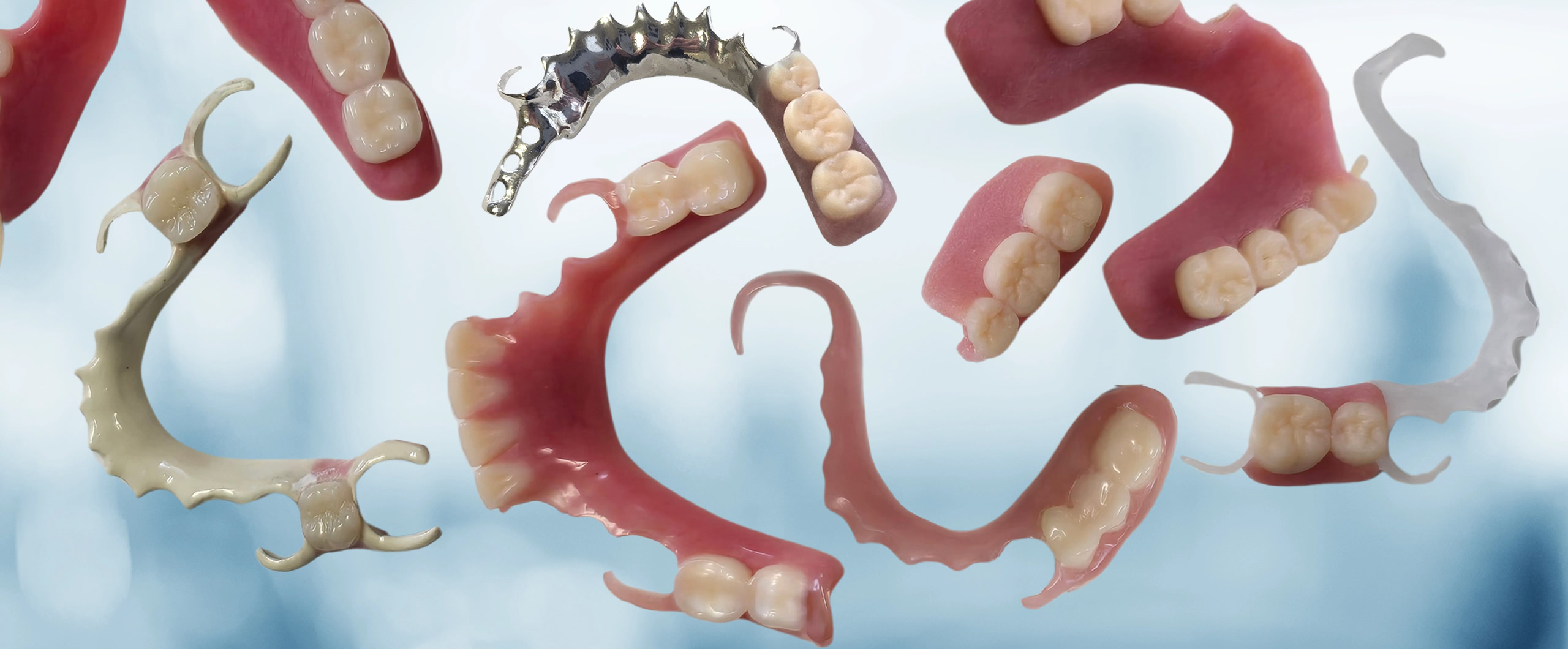
At 3D DDS, we partner with clinicians who demand partial dentures with uncompromising precision, refined esthetics, and predictable performance. Our partial dentures are developed within a fully digital ecosystem—where precision design, advanced manufacturing, and disciplined quality control replace the variability of traditional analog workflows. As a fully digital dental laboratory, we have re-engineered removable prosthetics from the ground up—replacing analog variability with high tech manufacturing using data-driven design, advanced additive manufacturing, and automated finishing systems to deliver consistently high quality esthetics and exceptional fit.
Partial dentures remain one of the most profitable yet underutilized services in restorative dentistry. With a fully digital workflow, these cases can often be completed in as few as two visits, delivering highly predictable, functional, and esthetic outcomes while creating an exceptional patient experience.
Treatment Options
Partial Denture with Titanium Framework
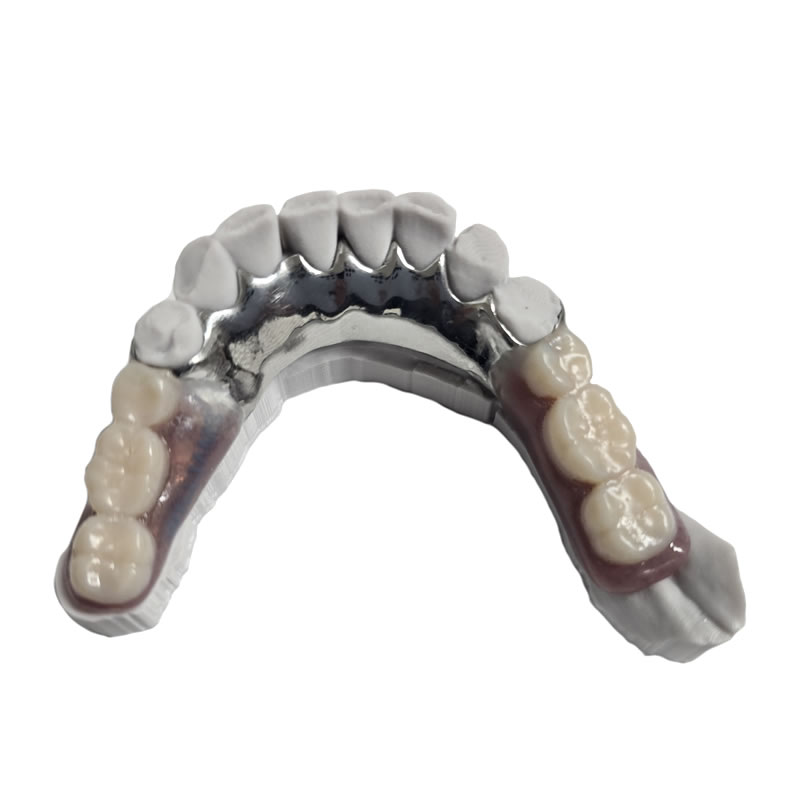
A Titanium partial denture is a digitally designed and fabricated removable prosthesis built on a precision-milled or 3D printed Grade 5 Titanium framework. Designed for strength, refinement, and long-term performance, it represents the most advanced evolution of metal-based removable prosthetics.
For restorative dentists and prosthodontists who prioritize durability, biocompatibility, and precision, a Titanium partial delivers measurable clinical advantages. Each prosthesis is digitally engineered for ideal path of insertion, controlled clasp flexibility, and intimate adaptation to prepared guide planes and rests.
The result is a lightweight, structurally exceptional framework that feels refined at insertion and performs predictably over time.
Why Titanium
Grade 5 Titanium offers a unique combination of mechanical performance and patient comfort:
- Approximately 45% lighter than traditional chrome alloys
- Exceptional strength-to-weight ratio
- Superior biocompatibility with reduced risk of hypersensitivity
- Anodization in gold or pink for increased esthetics
- Can be fabricated extremely thin and delicate without compromising strength or structural integrity
- Corrosion resistant in the oral environment
- Porosity-free milled or 3D printed frameworks for optimal precision
- High flexural strength for long-lasting clasp retention
Patient Experience Advantages
Patients consistently report:
- More natural phonetics due to reduced palatal or lingual thickness
- Greater comfort during mastication
- Noticeably lighter feel
- Improved overall adaptation
The combination of reduced weight and high rigidity creates a prosthesis that feels secure without feeling heavy.
Main Treatment Uses
- Definitive multi-unit tooth replacement
- Distal extension cases requiring rigid support
- Implant-assisted removable prosthetics
- Long-term restorations in patients seeking lightweight comfort
- Cases requiring durable clasp retention with repeated insertion and removal
- Patients with metal sensitivity concerns
Key Benefits
- Significantly lighter than traditional alloy frameworks
- Superior strength with reduced bulk
- Long-lasting clasp flexibility and retention
- Highly biocompatible and corrosion resistant
- Porosity-free precision manufacturing • Digitally engineered fit with minimal chairside adjustment
- Plaque-resistant, highly polished surfaces
- Archived digital design files for efficient remakes or modifications
The result is a refined, lightweight, and exceptionally strong partial denture—engineered through a fully digital workflow and manufactured with consistency and repeatability. A Titanium partial from 3D DDS delivers the precision your practice demands and the comfort your patients immediately appreciate.
Cobalt Chrome Partial Denture
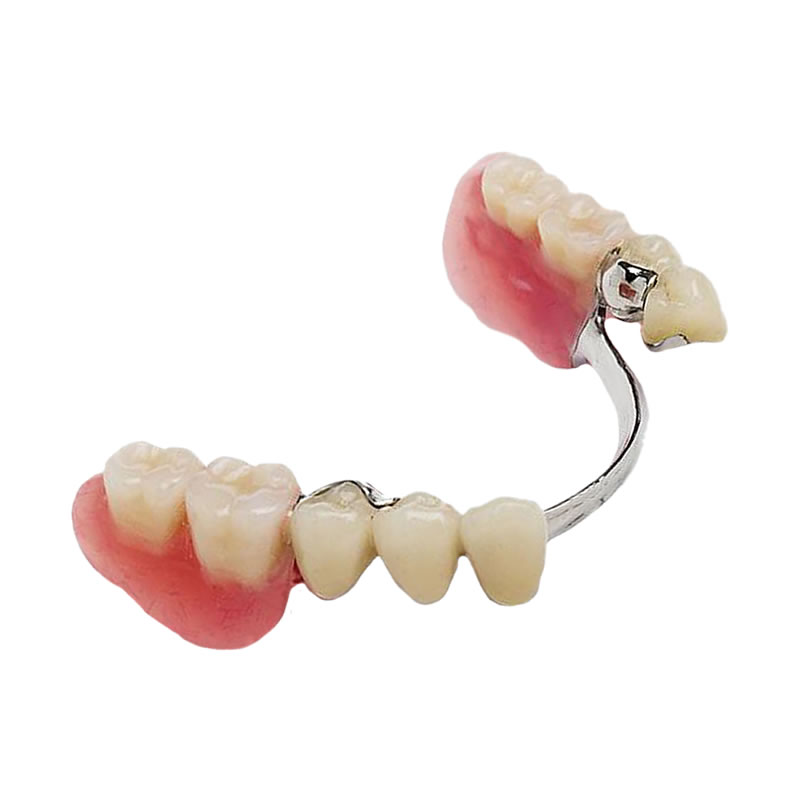
A Cobalt Chrome partial denture is a digitally fabricated removable prosthesis built on a high-strength cobalt chrome framework. Long regarded as a trusted material and the standard in removable prosthodontics, cobalt chrome remains a reliable solution for clinicians seeking rigidity, durability, and long-term clinical performance.
At 3D DDS, cobalt chrome frameworks are designed within a fully digital workflow—using intraoral scan data, advanced CAD software, and digital manufacturing to control path of insertion, clasp design, rest seat adaptation, and connector thickness with precision. The result is a framework that seats accurately, distributes forces intelligently, and performs consistently over time.
Why Cobalt Chrome
Cobalt chrome offers a proven balance of strength and rigidity that supports long-term removable prosthetic success:
- High modulus of elasticity for excellent structural rigidity
- Thin yet strong major connectors
- Durable clasp retention with resistance to deformation
- Long clinical track record of performance
- Excellent wear resistance
- Stable, corrosion-resistant alloy
Its inherent rigidity allows frameworks to be fabricated thin and contoured while maintaining cross-arch stability - supporting both comfort and biomechanical control.
Patient Experience Advantages
When properly designed and digitally manufactured, cobalt chrome partials provide:
- Secure, stable feel during function
- Minimal flex under occlusal load
- Thin palatal or lingual coverage for improved phonetics
- Durable long-term performance
The rigidity of the framework enhances force distribution across abutments and supporting structures, contributing to predictable function.
Main Treatment Uses
- Definitive multi-unit tooth replacement
- Distal extension cases requiring rigid cross-arch support
- Implant-assisted removable prosthetics
- Long-term restorations requiring durable clasp retention
- Situations demanding high structural stability
- Economical definitive solutions with proven longevity
Key Benefits
- Exceptional rigidity for cross-arch stabilization
- Durable, long-lasting clasp retention
- Thin yet strong framework design
- Proven material with decades of clinical success
- Corrosion-resistant alloy performance
- Digitally engineered fit with reduced chairside adjustment
- Polished, hygiene-friendly surfaces
- Archived digital design files for streamlined remakes
The result is a strong, stable, and precisely engineered removable prosthesis—manufactured through a modern digital workflow while preserving the time-tested performance of cobalt chrome.
A Cobalt Chrome partial from 3D DDS delivers predictable biomechanics, structural reliability, and the refined execution expected in today’s digitally driven restorative practice.
Milled TCS iFlex™ Flexible Partial Denture
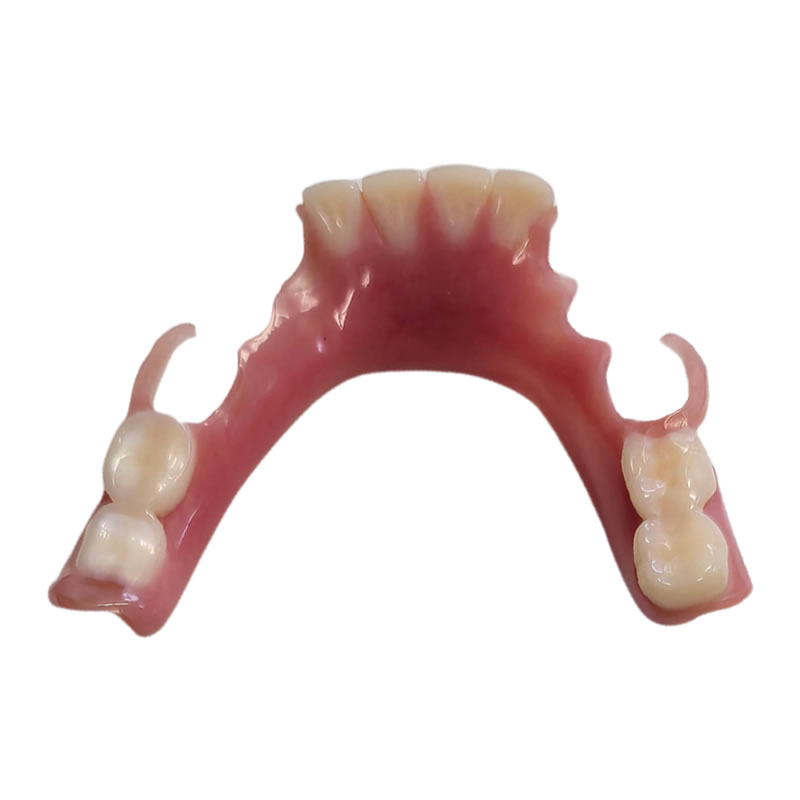
A Flexible Partial Denture with a milled TCS iFlex™ framework is a digitally designed, metal-free removable prosthesis engineered for superior esthetics, patient comfort, and functional resilience. Fabricated through a fully digital workflow, this appliance combines precision CAD design with advanced milling technology to deliver a flexible framework that adapts naturally to the oral environment.
For restorative dentists and prosthodontists seeking a lightweight, highly esthetic alternative to traditional metal frameworks, TCS iFlex provides a refined balance of strength, flexibility, and patient acceptance - without compromising precision.
Why Milled TCS iFlex™
TCS IFlex is a high-performance thermoplastic material specifically formulated for removable prosthetics. When digitally designed and milled rather than injection processed, it offers measurable clinical advantages:
- Metal-free, highly esthetic framework
- Translucent material that blends seamlessly with natural tissue
- Flexible yet durable structure resistant to fracture
- Excellent patient comfort due to lightweight design
- Monomer-free composition
- Precision-milled fit with reduced internal stress compared to traditional injection techniques
Because the framework is milled from a solid disc, it avoids many of the inconsistencies, shrinkage variables, and labor-intensive steps associated with conventional processing.
Patient Experience Advantages
Patients consistently appreciate:
- Virtually invisible clasps that blend with gingival tissue
- Lightweight feel during daily wear
- Increased comfort due to controlled flexibility
- Reduced bulk compared to traditional acrylic designs
- Natural appearance in high-smile line cases
The flexibility of the framework allows gentle engagement of undercuts, providing retention without the rigid feel of metal.
Main Treatment Uses
- Replacement of multiple missing teeth in esthetic zones
- Transitional or interim prosthetics
- Immediate partials following extractions
- Implant provisional cases during healing
- Patients with metal sensitivities
- Patients prioritizing comfort and minimal visible hardware
Key Benefits
- Highly esthetic, tissue-blending clasps
- Metal-free construction
- Lightweight and comfortable for daily wear
- Flexible retention with reduced stress on abutment teeth
- Fracture-resistant thermoplastic material
- Digitally milled for precision fit
- Minimal chairside adjustment
- Archived digital files for efficient remakes or modifications
A Flexible Partial Denture with a milled TCS iFlex framework from 3D DDS offers premium materials, digital precision, and elevated patient acceptance - all within a streamlined, high-performance digital workflow. The result is a discreet, comfortable, and digitally refined removable prosthesis that delivers excellent esthetics while maintaining functional reliability.

Ultaire® AKP Flexible Partial Denture
A Flexible Partial Denture with an Ultaire® AKP framework is a digitally engineered, metal-free removable prosthesis designed to deliver rigidity where needed, flexibility where beneficial, and exceptional patient comfort throughout function.
Ultaire AKP is a high-performance aryl ketone polymer developed specifically for removable partial denture frameworks. When combined with a fully digital design and milling workflow, it provides a refined, lightweight alternative to traditional metal frameworks—without compromising structural integrity or precision fit.
For restorative dentists and prosthodontists seeking a modern, tooth-colored framework material with biomechanical stability, Ultaire AKP offers an advanced solution engineered for consistency and long-term performance.
Why Ultaire® AKP
Ultaire AKP delivers a unique balance of strength, resilience, and esthetics:
- Metal-free, tooth-colored framework material
- High strength polymer engineered specifically for removable prosthetics
Bonds with Acrylic for superior strength and longevity
- Lightweight design for enhanced patient comfort
- Rigid major connectors for controlled support
- Flexural properties that reduce stress on abutment teeth
- Excellent biocompatibility
- Corrosion-free performance in the oral environment
Unlike traditional flexible thermoplastics, Ultaire AKP maintains structural stability while offering controlled resilience—supporting predictable force distribution and long-term function.
Patient Experience Advantages
Patients benefit from:
- Tooth-colored clasps that blend with natural dentition
- Lightweight feel compared to traditional metal frameworks
- Smooth, comfortable intraoral contours
- Reduced bulk with refined connector design
- Secure retention without a metallic appearance
The material’s balance of rigidity and resilience contributes to a stable, comfortable prosthesis that feels secure without feeling heavy
Main Treatment Uses
- Definitive multi-unit tooth replacement
- Esthetic zone cases where metal display is undesirable
- Patients requesting metal-free solutions
- Implant-assisted removable prosthetics
- Cases requiring controlled rigidity with lighter weight
- Long-term restorative treatment plans
Key Benefits
- Tooth-colored, metal-free framework
- Lightweight yet structurally stable
- Biocompatible and corrosion-free
- Digitally milled for precision adaptation
- Controlled resilience to reduce abutment stress
- Minimal chairside adjustment
- Smooth, hygiene-friendly surface finish
- Archived digital design files for efficient remakes
A Flexible Partial Denture with an Ultaire AKP framework from 3D DDS reflects the next evolution in removable prosthetics—where advanced polymer science meets digital precision manufacturing. The result is a refined, digitally engineered partial denture that delivers esthetics, comfort, and biomechanical stability
Hollow Palatal Obturator
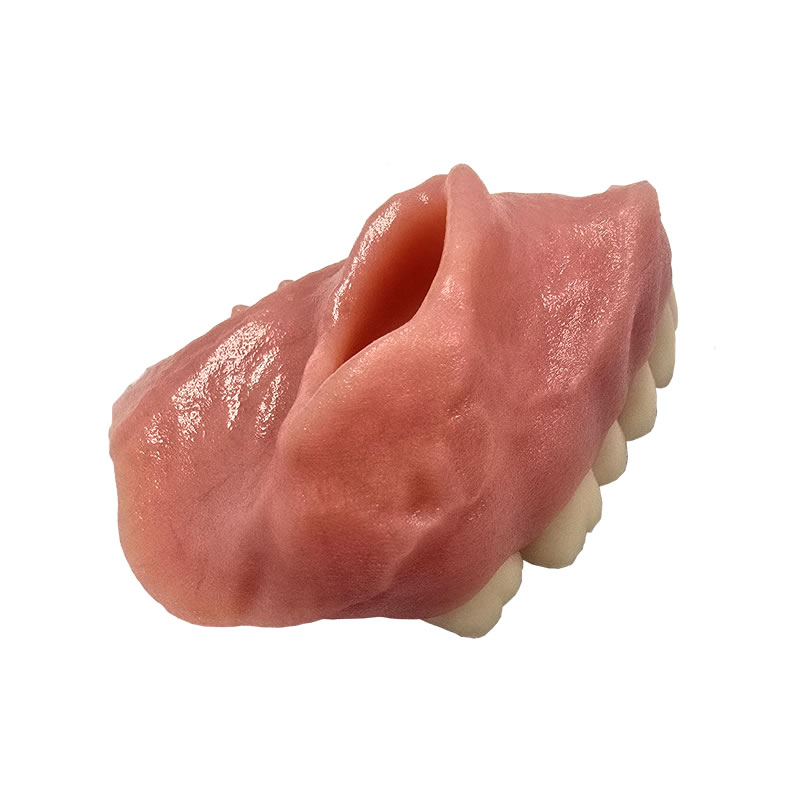
A palatal obturator is a custom-fabricated intraoral prosthesis designed to close palatal defects of the hard and/or soft palate due to congenital conditions, trauma, or surgical intervention, restoring separation between the oral and nasal cavities. The obturator re-establishes functional integrity for speech, swallowing, and mastication.
For the discerning restorative dentist and prosthodontist, a digitally engineered palatal obturator offers predictable fit, efficient collaboration, biocompatibility, and long-term stability. Precision digital workflows allow for accurate defect capture with intraoral scanning, controlled extension into undercuts during design, and lightweight hollow bulb fabrication due to advanced manufacturing processes. This enhances patient comfort, improves phonetics, and prosthetic retention while minimizing chairside modifications or adjustment.
Key Benefits
- Precision fit by combining intraoral scans, CAD design, and high-tech manufacturing
- Improved retention and stability via optimized engagement of anatomical undercuts
- Lightweight Titanium framework and a hollow-bulb reduce prosthesis weight
- Enhanced speech outcomes through accurate palatal contour reproduction
- Reduced chairside adjustment time due to predictable digital manufacturing
- Digital workflow integration enabling efficient case planning and communication
- Reproducibility and easy remakes with archived digital design files
Main Treatment Uses
- Closure of congenital defects (e.g., cleft palate)
- Rehabilitation following partial or total maxillectomy
- Management of oronasal or oroantral fistulae
- Interim obturation during surgical healing phases
- Support for speech and swallowing function in velopharyngeal insufficiency
- Restoration of mastication and prevention of nasal regurgitation
The result is a highly accurate, strong, and life-enhancing prosthesis manufactured with consistency and repeatability.
Nesbit Partial Denture
A Nesbit partial denture is a custom-fabricated, unilateral removable prosthesis designed to replace 1–2 missing teeth without extending across the entire palate or lingual arch. Its compact design makes it an ideal conservative solution for localized tooth loss or during healing after single tooth implant placement without preparation of adjacent tooth structure.
For restorative dentists and prosthodontists, a digitally designed Nesbit offers predictable fit, precise clasp engagement, and streamlined fabrication. Using intraoral scanning and CAD-driven framework design, the prosthesis is engineered for optimal retention and minimal bulk. Available in TCS iFlex (clear, flexible) or Titanium (anodized pink or gold), the appliance balances esthetics, strength, and patient comfort. It is also highly effective as an implant provisional for single-tooth anterior esthetic cases, maintaining appearance and space during healing.
Key Benefits
- Compact unilateral design without full-arch coverage
- Lightweight and comfortable for daily wear
- Highly esthetic material options (clear TCS or anodized Titanium)
- Conservative approach with minimal to no tooth preparation
- Removable for easy hygiene maintenance
- Digitally designed for precision fit and reduced chairside adjustment
- Efficient remake capability with archived digital files
Main Treatment Uses
- Replacement of 1–2 missing teeth in a unilateral space
- Implant provisional in single-tooth anterior cases
- Interim tooth replacement during treatment planning phases
- Conservative alternative when implants or bridges are not indicated
The result is a discreet, accurate, and minimally invasive prosthetic solution that restores function and esthetics while integrating seamlessly into the digital workflow.
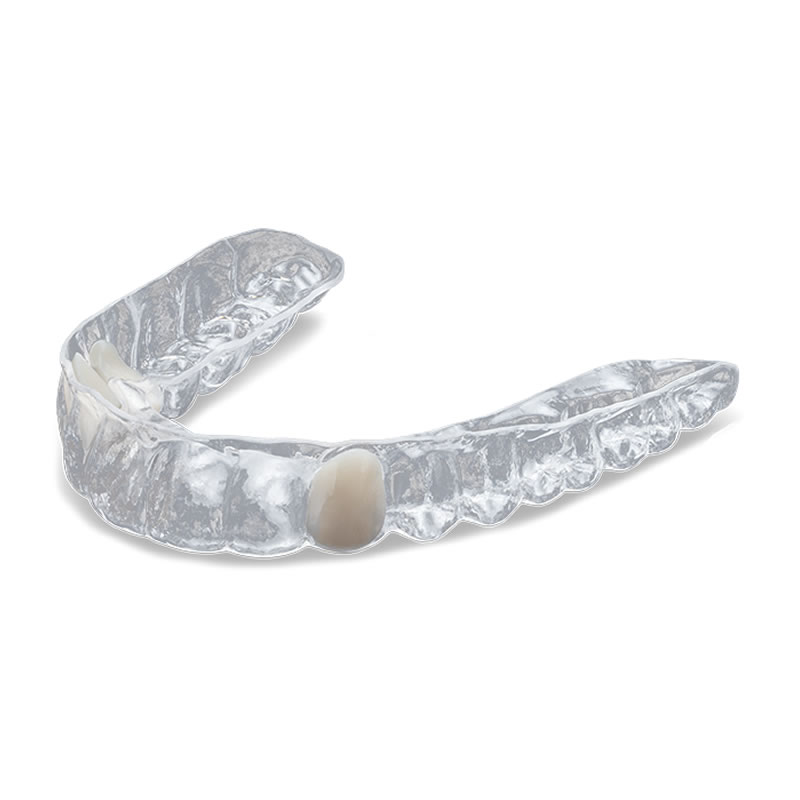
Essix Appliance
Key Benefits
- Virtually invisible, highly esthetic appearance
- Conservative and non-invasive solution
- Comfortable, lightweight thermoplastic design
- Rapid digital fabrication and delivery
- Cost-effective interim option
- Easy duplication using archived digital scans
- Minimal chairside adjustment required
Main Treatment Uses
- Orthodontic retention following active treatment
- Interim replacement of a single missing tooth (Essix flipper)
- Implant provisional during osseointegration
- Post-restorative stabilization
The result is a discreet, accurate, and versatile appliance that integrates seamlessly into digital workflows while maximizing patient comfort and esthetics.
Universal Benefits Across All Materials
Regardless of prosthesis type, 3D DDS delivers:
- High profit margins
- Many cases completed in 2 visits
- Fully digital precision manufacturing
- Consistent fit and finish
- Full-color 3D printed customized denture teeth and base
- Minimal post-insert adjustments
Materials Comparison
| Weight | Lightweight ~45% lighter than CoCr | Moderate | Very lightweight | |
| Strength | High | Extremely high | Very high | High |
| Flexibility | Moderate - High | Limited | Limited | Moderate |
| Biocompatibility | Excellent (metal-free) | Superior | Excellent | Excellent (metal-free) |
| Esthetics | Virtually invisible | Thin metal – can be anodized | metal | Tooth-colored framework |
| Plaque Resistance | Good | Excellent | Excellent | Excellent |
| Repairability | Injection molding or milling new | Laser welding | Laser welding | Bonds to Acrylic |
| Manufacturing | CAD/CAM milled | 3D printed and electro-polished | 3D printed and electro-polished | CAD/CAM milled |